Digital nomad infrastructure: what hostels need to offer (beyond fast Wi-Fi) to win long-stayers

There's a type of guest that hostels have always had but rarely designed for: the person who stays for three weeks, learns everyone's name, and quietly becomes part of the place. In 2026, that guest has a job, a laptop, and a very specific set of requirements.
Digital nomads are not backpackers who happen to work. They are knowledge workers who happen to travel. That distinction matters enormously when you're deciding what to build, buy, or change in your property.
This post is about the infrastructure decisions that make the difference between a nomad who books one week, loves it, and books three more versus one who checks out after four days because the setup just didn't work.
Why long-stayers are worth chasing
Before getting into the specifics, it's worth being clear on why this segment deserves dedicated attention.
A guest staying 21 nights at your property generates the same revenue as roughly ten weekend backpackers, with a fraction of the operational load. No daily linen changes, no turnover cleans every two days, no repeated check-in hassle. Long-stayers also tend to spend more on-site, refer other nomads by word of mouth, and leave the kind of detailed, enthusiastic reviews that convert hesitant bookers.
The digital nomad population is not a niche anymore. Estimates vary, but surveys by MBO Partners put the global count of location-independent workers at over 35 million as of 2023, with growth year-on-year since the pandemic. A meaningful slice of that group is actively searching for accommodation that understands how they work.
The problem is that most hostels weren't built for them. A lot of operators have added a power strip to the common area and called it coworking. That gap is an opportunity.
The workspace problem (and what to actually do about it)
Fast internet is necessary but it is not the product. The product is the ability to do focused, professional work without distractions. That means several things at once.
Dedicated work zones with acoustic separation
Open-plan common areas are great for socialising and genuinely terrible for deep work. A nomad taking a client call in the middle of a social area will either feel rude or lose the client. Neither outcome is good.
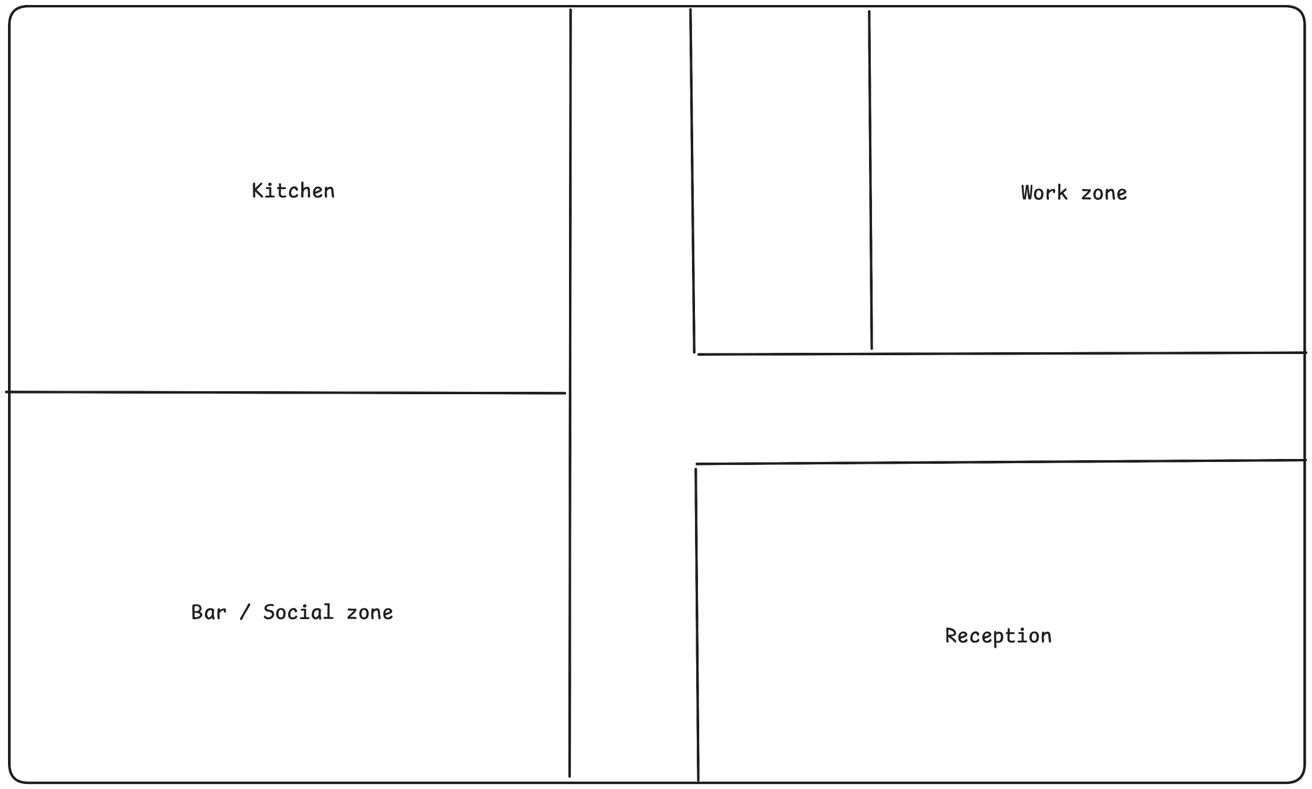
The best-performing hostels in the nomad market have created physical separation between work and social zones. This doesn't require a large renovation. Coco Surfhouse or Viajero CDMX Centro are examples of properties that built in quiet workspaces to create a clear boundary between the two. Acoustic panels, rugs, and plants can help with soundproofing on a budget. The key is consistency: if the workspace is quiet at 10am but noisy at 3pm, it's not working.
At minimum: a room or defined zone where noise is understood to be unwelcome, with signage that makes the expectation clear.
Monitors, keyboards, and proper chairs
This one is consistently underestimated. Working on a laptop all day with your neck bent forward for weeks causes real physical pain. A nomad who associates your hostel with a bad back will not return and will not recommend you.
External monitors (even a single 24-inch screen per desk) and ergonomic chairs are a significant improvement. Lockers in the workspace where people can leave their gear overnight without carrying it back to the dorm are also practical and appreciated. The cost of this setup per desk is modest; the signal it sends is substantial.
Reliable, dedicated internet for work
Most hostel internet is shared consumer-grade broadband that was sized for social media and Netflix. Working professionals often need enough bandwidth for video calls, large file uploads, and occasional VPNs running simultaneously.
A practical approach is a separate SSID for the workspace zone on its own VLAN, with bandwidth prioritisation. This keeps gaming, streaming, and casual browsing from degrading the connection for people on calls. Post the actual speeds publicly, including both download and upload, and show a live speed test on a monitor in the work area if you want to make a statement about it.
Some hostels now partner with coworking spaces nearby and offer day passes as an add-on to accommodation. That can work well for properties where full in-house coworking isn't viable.
Pricing and booking structure for long-stays
Most hostel booking engines and OTAs are optimised for short stays. The nightly rate model starts to feel wrong when someone is booking three weeks, and it often is wrong for both parties.
Weekly and monthly rates
Nomads budget monthly, not nightly. If your booking system only shows a per-night price and the maths produces a large number when multiplied by 21, you're losing people at the consideration stage who would otherwise book.
Weekly and monthly rates serve two purposes: they make the price feel more appropriate to the stay length, and they create a genuine incentive to commit to a longer booking. A 20% discount for a monthly booking is a small margin concession against the operational savings and guaranteed revenue of that stay.
Flexible check-in and extended late checkout
Nomads often have non-standard schedules. A guest arriving after a long overnight flight at 7am or leaving after a final client call at 8pm is not being unreasonable; they're just not on tourist time.
Properties that build in some flexibility here, either through a dedicated early-arrival room, a luggage storage arrangement, or a paid early/late checkout option, consistently rate higher with this demographic. This is not a large operational burden if it's planned for rather than handled ad hoc.
Direct booking incentives
Nomads research accommodation carefully. They will look at Hostelworld, Booking.com, and your own website. If your direct rate includes a month of free laundry credits or a guaranteed workspace desk reservation, and the OTA rate doesn't, the guest has a reason to book direct.
This matters beyond the obvious commission saving. A direct booker is someone you can communicate with before arrival, send a welcome pack to, and build a relationship with. That relationship is how short stays become long ones.
Privacy, storage, and the daily reality of living and working in one place
A nomad staying for three weeks is not on holiday. They are living in your property while conducting their professional life. The gap between what most hostels offer and what that actually requires is where most properties fall short.
Private lockers that are actually big enough
The standard hostel locker holds a padlock, a passport, and not much else. Someone who travels with a 15-inch laptop, a tablet, a camera, cables, and a portable hard drive needs more space.
Full-length lockers, sometimes called laptop lockers or travel lockers, are now standard at nomad-friendly properties. A lockable 50-litre locker per bed costs more than the tiny alternatives but eliminates the "what do I do with my stuff while I'm at the beach" problem entirely. For long-stayers, the ability to leave expensive equipment somewhere secure without lugging it to the workspace and back is worth real money.
Laundry that doesn't feel like an expedition
Access to laundry facilities within the property, with machines that work reliably and ideally some kind of app or simple notification when a cycle finishes, is highly valued. Nomads do laundry once a week like everyone else. Having to find a laundromat two streets away and carry wet clothes back is a small irritation that compounds over a long stay.
Some properties have moved to laundry included in long-stay rates. Others offer a weekly credit. Either removes a daily annoyance and gets mentioned positively in reviews.
A mailing address and package acceptance
This is genuinely underused as a differentiator. A nomad who buys a replacement keyboard or receives a prescription renewal needs somewhere for the package to arrive. Hostels that accept mail and packages on behalf of long-term guests, and communicate this clearly at booking, attract people who have been burned by this problem before.
It requires almost no infrastructure: a designated shelf or lockbox, and a clear policy. The value to the guest is disproportionate to the effort involved.
Community: structure over serendipity
One of the most cited reasons nomads choose a hostel over an apartment or flat is community. But community doesn't just happen because people are in the same building; it needs some scaffolding.
Curated introduction systems
Some hostels use a simple onboarding practice where new long-term guests are introduced by name and profession in a shared channel (WhatsApp, Telegram, or a property app) and existing long-stayers are tagged to say hello. The effect is that people arrive knowing there's a community to join rather than wondering how to break in.
The Social Hub has developed this into a structured programme across their properties. Their model is more upmarket than a typical hostel, but the principle translates: people want to be introduced, not just co-located.
Skills exchanges and informal programming
A group of nomads from different industries is an extraordinary resource for one another. A hostel that occasionally facilitates a short skill-share, a Friday afternoon lightning talk, or a co-working day focused on a specific theme (design feedback sessions, developer pair programming, content critique) creates something no apartment can offer.
These events don't require significant planning or budget. A noticeboard, a WhatsApp message, and a reserved table is often enough. What they create is a reason to stay another week.
Quiet hours for the workspace, not for the whole property
This is worth separating clearly. Nomads who work in your hostel are not expecting a library. They're fine with social noise in the common areas, music in the bar, and laughter in the kitchen. What they need is reliable quiet in the work zone during work hours, and that boundary maintained consistently.
Hostels that conflate "quiet property" with "good for working" often miss both. The nomads leave because the workspace isn't workable, and the backpackers feel the place is too uptight. Keep the energy of the hostel intact; just protect the workspace.
Practicalities that matter more than they should
There are a set of small operational details that signal, more than any marketing copy, whether a hostel has genuinely thought about this guest.
-
Kitchen access and storage.
A dedicated shelf or small fridge compartment for long-stayers means they can buy groceries and cook properly rather than eating out for every meal. This matters both for budget and for health over a long stay. Some properties provide a small labelled storage tub for each long-stay guest. -
Drying racks and clothes storage.
Dorms often don't have space to air clothes, and a communal area draped in other people's laundry is unpleasant. A designated drying room or balcony area, with hooks and racks, solves this neatly. -
Printing and scanning.
Occasionally a nomad needs to print a visa form, sign a document, or scan something. A small shared printer/scanner, clearly accessible, removes a disproportionate amount of inconvenience for people who need it. It costs almost nothing to provide. -
Consistent, named Wi-Fi.
Sounds obvious, but properties that rename their networks frequently, have complex passwords that change weekly, or have different SSIDs per floor create a recurring minor irritation. A stable network name and a QR code login that's easy to find (printed at the workspace desk, in the locker, on the room card) matters.
How to communicate all of this to nomads who are looking
Building the infrastructure is half the work. The other half is making sure the right people know it exists.
OTA listings have limited space for this information. Hostelworld and Booking.com allow you to list amenities, but the nuance of "dedicated work zone with acoustic separation" gets compressed into a "business centre" checkbox that no nomad trusts.
Your own website and booking engine are where this story gets told properly. A dedicated page for long-stay or nomad guests, with actual photos of the workspace, stated speeds with upload and download, a list of the practical details (locker sizes, laundry, mail, printing), and honest pricing for weekly and monthly stays will outperform any OTA listing for this segment.
Review platforms matter significantly here too. Nomads rely heavily on peer recommendation. A cluster of reviews from other nomads mentioning that the Wi-Fi held up through a Zoom marathon, that the workspace was genuinely quiet, and that they stayed twice as long as planned because the place worked for them is more persuasive than any marketing copy.
The most practical thing you can do to generate those reviews is to ask long-stayers directly, during their stay rather than only at checkout, what is and isn't working. Fix what you can. Acknowledge what you can't. That level of responsiveness gets remembered and written about.
A note on pricing the investment
The infrastructure changes described here are not free, but most of them are far less expensive than operators assume. A workspace setup with two ergonomic chairs, two monitors, proper power, and acoustic panels for a small corner can be done for under €2,000. Full-length lockers are €80 to €150 each depending on specification. A dedicated workspace VLAN is a configuration change, not a hardware purchase, on most modern routers.
The return is in occupancy and rate. A property with a credible nomad offering can justify a 10 to 15 per cent premium on long-stay beds and typically sees meaningfully higher occupancy in the slower months, when the backpacker market is thinner and nomads, untethered from school holidays and annual leave calendars, are actively looking for their next base.
The maths works. The harder question is usually whether the operator is willing to rethink the property for a guest who isn't the default mental model of a hostel visitor. That's a mindset shift more than a capital investment, and it tends to follow once you've hosted a few nomads well and seen what it does for your reviews and repeat bookings.
Where to start
If you're convinced and wondering where to begin, a practical sequence:
- Fix the internet first. Measure actual upload and download speeds. If upload is under 10 Mbps, your video-calling guests are suffering.
- Create one clearly defined quiet work zone, even a small one. Test it with noise at different times of day.
- Add full-length lockers for the next dorm refresh cycle.
- Set up a weekly rate in your booking engine. Make it visible and make the discount meaningful.
- Start asking long-stayers what they need. The answers will tell you what to do next better than any checklist.
The hostel that wins long-stayers isn't necessarily the most expensive or the most designed. It's the one where a guest opens their laptop on day one and thinks: this actually works. The operational systems that make that possible (bed-level inventory, automated assignments, and a direct booking engine) are covered in Modern hostel management: how to run a profitable, automated beds and rooms property.